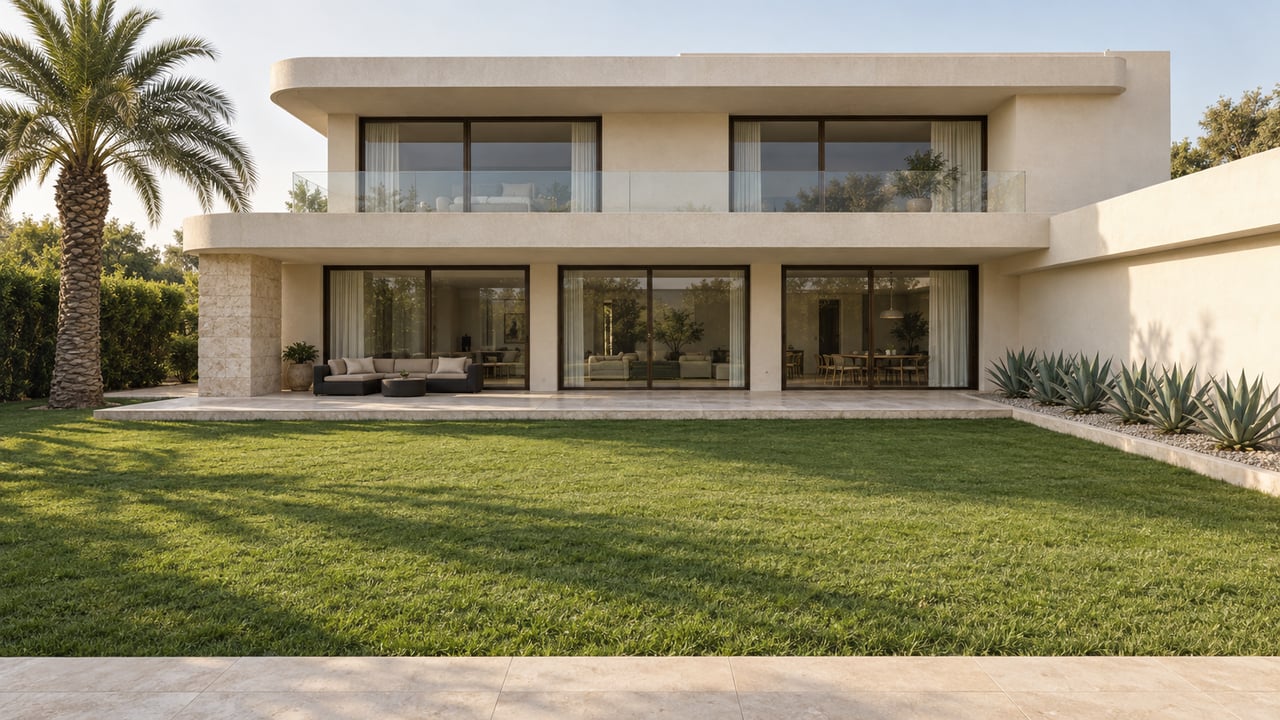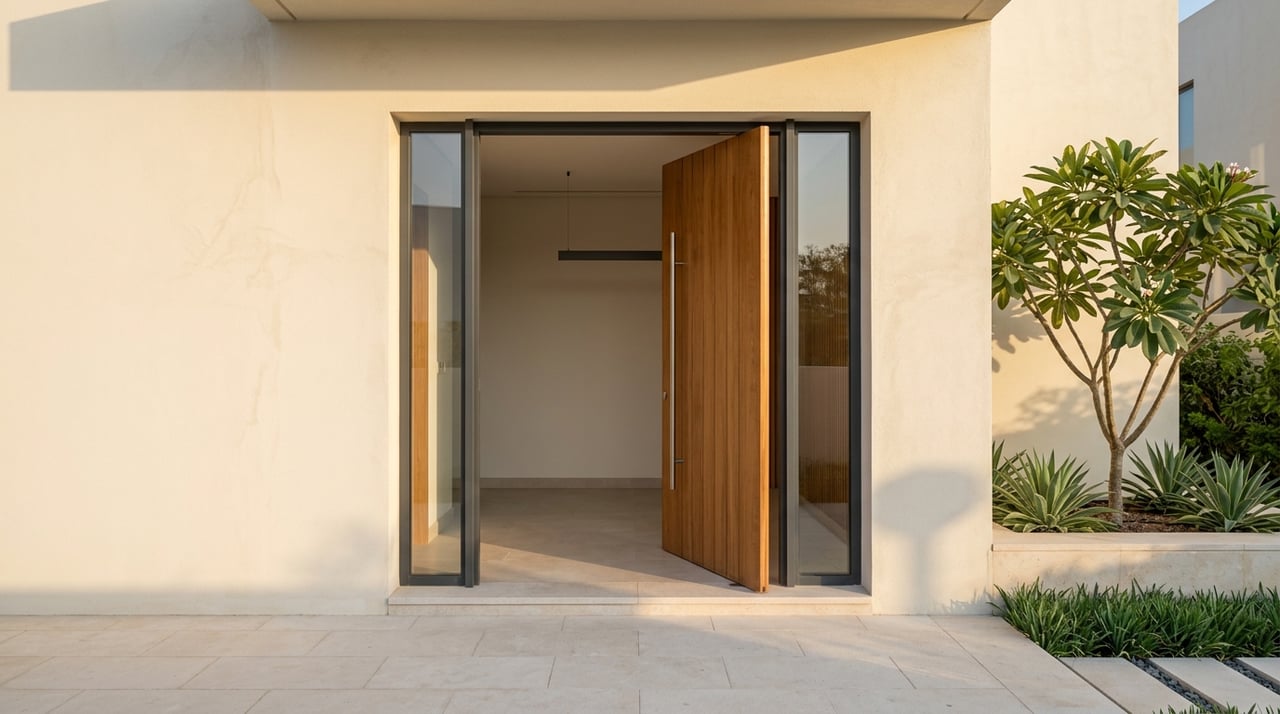
Buying a villa in Dubai Hills can feel straightforward at first, until the paperwork, registration steps, and handover requirements start stacking up. If you are buying for your family, as an overseas owner, or through a wider investment structure, clarity matters early. This guide walks you through the path from reservation to handover in Dubai Hills villas, so you know what to expect, what to verify, and where timing can affect the outcome. Let’s dive in.
Start With the Right Purchase Path
Dubai Hills Estate is a master community by Emaar spanning more than 11 million square meters, with villas, parks, a golf course, Dubai Hills Mall, schools, and cycle routes. It is presented as a freehold community, and the Dubai Land Department confirms that foreign ownership is permitted in designated freehold areas. For many buyers, that makes Dubai Hills one of the clearest villa markets in Dubai for both end use and long-term holding.
Your first step is to confirm whether the villa is off-plan or completed. That distinction shapes the entire transaction process, including how the property is registered and when ownership documentation is issued. The Dubai Land Department states that real estate transactions that are not registered are considered invalid, so this is not a detail to leave until later.
If you are buying from overseas or will not be present in person, representation should also be addressed early. The Dubai Land Department accepts transactions through authorized representatives at trustee centers. Emaar states that overseas powers of attorney must be notarized and attested through the UAE embassy in the country of origin and the UAE Ministry of Foreign Affairs before they can be used at handover.
Reservation Stage in Dubai Hills
Reservation is often the first formal commitment, but the exact terms can vary by project and seller. Under Emaar’s online booking terms, a deposit reserves the property for 5 calendar days. Before that period ends, you must sign the Offer to Purchase and pay the first installment.
Emaar also notes that the reservation deposit may be applied toward that installment at the vendor’s discretion. If the required steps are not completed within the reservation window, the reservation can lapse. In practical terms, this means you should have your identification documents, funds, and decision-makers aligned before you reserve.
What to Check Before Moving Forward
Before paying beyond reservation, verify the legal and administrative path for the specific villa. A careful review at this stage can prevent delays later.
- Confirm whether the villa is off-plan or completed
- Verify the developer and unit paperwork
- Check how the unit will be registered with DLD
- Review the reservation timeline and payment deadlines
- Confirm whether financing will be involved
- If buying remotely, prepare valid representation documents early
For completed properties in freehold areas, DLD requires a developer e-NOC through Dubai REST for sale registration. For off-plan sales, the developer registers the unit through the Oqood or provisional sale system. Since DLD considers unregistered transactions invalid, registration readiness is a core part of due diligence.
SPA Timing and Resale Limits
If you are buying an off-plan Dubai Hills villa, it is important to understand that the sale and purchase agreement may not arrive immediately after reservation. Emaar states that issuing the SPA for off-plan launch purchases can take about 21 to 40 days after purchase. That timeline can affect planning if you are coordinating funds, advisors, or family approvals.
The SPA also governs the final payment schedule, down payment requirements, and any resale restrictions. Emaar notes that some SPAs may restrict resale before handover unless written approval is given. If flexibility matters to you, this clause deserves close attention before you commit further capital.
Registration and Transfer Steps
For a completed villa, the standard route is DLD’s Property Sale Registration service at a Real Estate Registration Trustee Center. Once completed, the service issues an electronic title deed. For non-resident foreign buyers, a passport can be used for identity verification.
DLD lists the sale registration fee as 4% of the sale value, commonly split 2% to the seller and 2% to the buyer, plus an AED 250 title deed issuance fee. Additional map and trustee fees may also apply. These costs should be built into your acquisition budget from the outset.
For off-plan villas, the registration path is different. DLD states that the initial sale must be registered within 90 days of signing the contract. Once the project is completed and the developer receives the completion certificate, the unit moves from the initial register to the Real Estate Registry, and fully paid units can proceed to title deed issuance.
Registration Snapshot
| Purchase type | Main registration route | Key timing note |
|---|---|---|
| Completed villa | DLD Property Sale Registration | Title deed issued electronically after completion |
| Off-plan villa | Oqood or provisional sale registration | Initial sale must be registered within 90 days of contract signing |
Financing Requires Its Own Planning
If you are financing the purchase, mortgage steps must be planned alongside the sale transfer, not after it. DLD’s mortgage registration service charges 0.25% of the mortgage value. This is separate from the sale registration process.
If the property already has a mortgage, the sale generally cannot complete until the lender issues a release letter and the mortgage discharge is processed. That can affect transfer timing, especially on resale transactions. A well-managed timeline helps avoid a situation where the property is ready to transfer, but the financing documents are not.
For buyers using structured financing or acting through a wider advisory team, this is usually where transaction coordination becomes especially important. The goal is not just approval, but sequencing the documents correctly so the purchase can move without avoidable friction.
Buyer Protection for Off-Plan Villas
Dubai’s off-plan framework includes protections that buyers should understand clearly. DLD states that off-plan development projects must be registered and operated through escrow accounts. Buyer payments must be deposited into escrow.
DLD also notes that 5% of the total amount paid is retained in escrow for one year after completion as a defect guarantee. For buyers of new Dubai Hills villas, this creates an important post-completion protection period. It also gives you a practical timeline to monitor any unresolved construction or finishing issues after handover.
Preparing for Handover Day
Handover is often where expectations and reality meet, so preparation matters. Emaar’s process centers on a single Home Orientation before handover. During that appointment, you inspect the villa.
Emaar states that only one home orientation is conducted per unit. If issues remain unresolved after handover, they are reported to Emaar’s Property Quality Assurance team. Because there is only one orientation, it is wise to review the villa carefully and methodically.
Documents Needed for Possession
According to Emaar, owners must present the following to take possession:
- Original certificate of completion of payment
- Copy of the land registration application
- Original DEWA security deposit receipt
- Valid identification
- For joint owners, powers of attorney or notarized authorizations where required
If the purchase is financed through an Islamic bank, Emaar also requires either an authorized bank representative or an original bank NOC at handover. These are small details until handover day arrives, and then they become essential.
DEWA, Keys, and Move-In Readiness
Before move-in, DEWA transfer is mandatory. Emaar’s FAQ lists a DEWA deposit of AED 4,000 for a villa or townhouse, plus reconnection charges, although DEWA requirements may change. This should be arranged early enough that utility activation does not delay possession.
At villa handover, Emaar states that you receive the villa keys, homeowner manual, contact numbers, and a car security sticker. These practical items matter because they mark the shift from transaction to ownership. A smooth handover is not just about documents. It is also about being ready to occupy, manage, or furnish the property immediately.
Snagging and the First Year
One of the most important post-handover steps is comparing the delivered villa with the contracted specification. Emaar notes that show villas can include premium finishes that differ from the delivered unit. During orientation, compare what you see with the contract specification rather than with showroom impressions.
This is also the period to track snagging issues carefully. Since DLD’s escrow framework retains 5% for one year after completion as a defect guarantee, that first year is a meaningful window for following up on unresolved defects. Good records, photos, and prompt reporting can make this period easier to manage.
After-Handover Rules to Know
Once the villa is handed over, not every change is automatically allowed. Emaar states that non-structural internal modifications still require approval after handover, while external changes are not allowed. If you plan to personalize the villa, approval pathways should be checked before works begin.
Service fees also start from the date the unit is certified ready or from the official handover date. DLD explains that service-charge budgets for jointly owned properties are RERA-approved and can be checked through the service charge index. These charges cover management, operation, maintenance and repair, including security, cleaning, utilities, insurance, administrative, and reserve charges.
Why Process Matters in Dubai Hills
In a community as established and internationally recognized as Dubai Hills, the appeal of the villa often takes center stage. Yet the strength of the transaction often comes down to process: correct registration, coordinated finance, properly prepared documents, and disciplined handover review. That is especially true for overseas buyers, family offices, and anyone balancing timing across jurisdictions.
A measured approach helps you protect both convenience and value. Whether you are securing a primary residence, a Dubai base, or a longer-term holding, the path from reservation to handover is smoother when each stage is handled with precision.
If you are considering a Dubai Hills villa and want discreet, hands-on guidance from reservation through completion, connect with Leigh Williamson for tailored advisory support.
FAQs
What is the reservation period for an Emaar Dubai Hills villa?
- Under Emaar’s online booking terms, a deposit reserves the property for 5 calendar days, during which you must sign the Offer to Purchase and pay the first installment.
What fees apply when transferring a completed Dubai Hills villa?
- DLD lists a 4% sale registration fee, commonly split between buyer and seller, plus an AED 250 title deed issuance fee, with additional map and trustee fees potentially applying.
What is the registration deadline for an off-plan Dubai Hills villa?
- DLD states that the initial sale of an off-plan property must be registered within 90 days of signing the contract.
Can a foreign buyer own a villa in Dubai Hills?
- Dubai Hills is presented as a freehold community, and DLD confirms that foreign ownership is permitted in designated freehold areas.
What do you need for Dubai Hills villa handover with Emaar?
- Emaar states that handover requires the original certificate of completion of payment, a copy of the land registration application, the original DEWA security deposit receipt, and valid identification, with additional authorization documents for joint owners where needed.
What should you inspect during a Dubai Hills villa home orientation?
- Emaar conducts one home orientation per unit, so you should compare the delivered villa carefully against the contract specification and note any snags for follow-up.
Are service charges payable after Dubai Hills villa handover?
- Emaar states that service fees start from the certified ready date or the official handover date, and DLD explains that these charges cover items such as maintenance, security, cleaning, utilities, insurance, administration, and reserves.