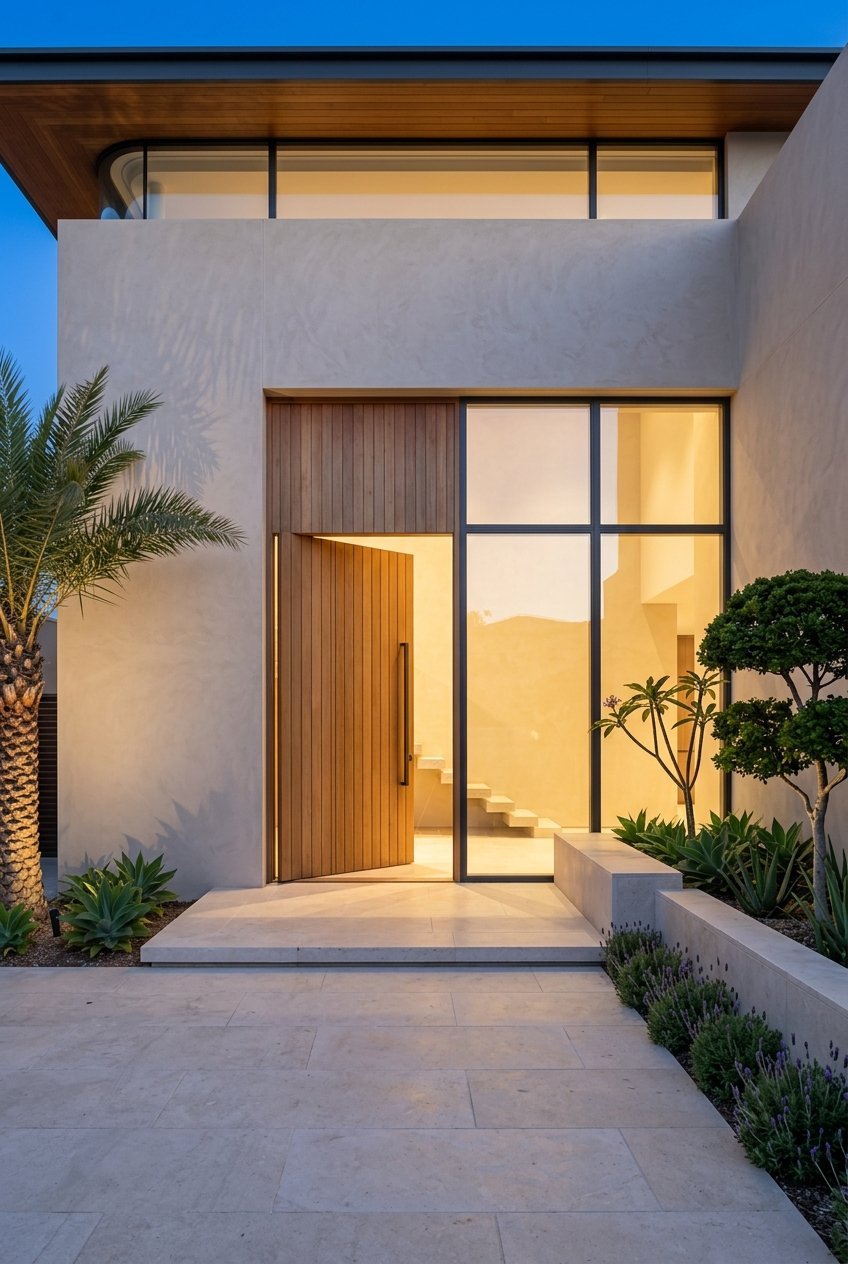
If you are planning a custom-built villa on Jumeirah Bay, you are not just buying a home site. You are making decisions in one of Dubai’s most tightly held ultra-prime micro-markets, where land is limited, design quality is closely scrutinized, and the difference between a good outcome and an exceptional one often comes down to the plot, the approvals, and the execution. If you approach the process with clarity from day one, you can protect both lifestyle value and long-term resale strength. Let’s dive in.
Why Jumeirah Bay stands apart
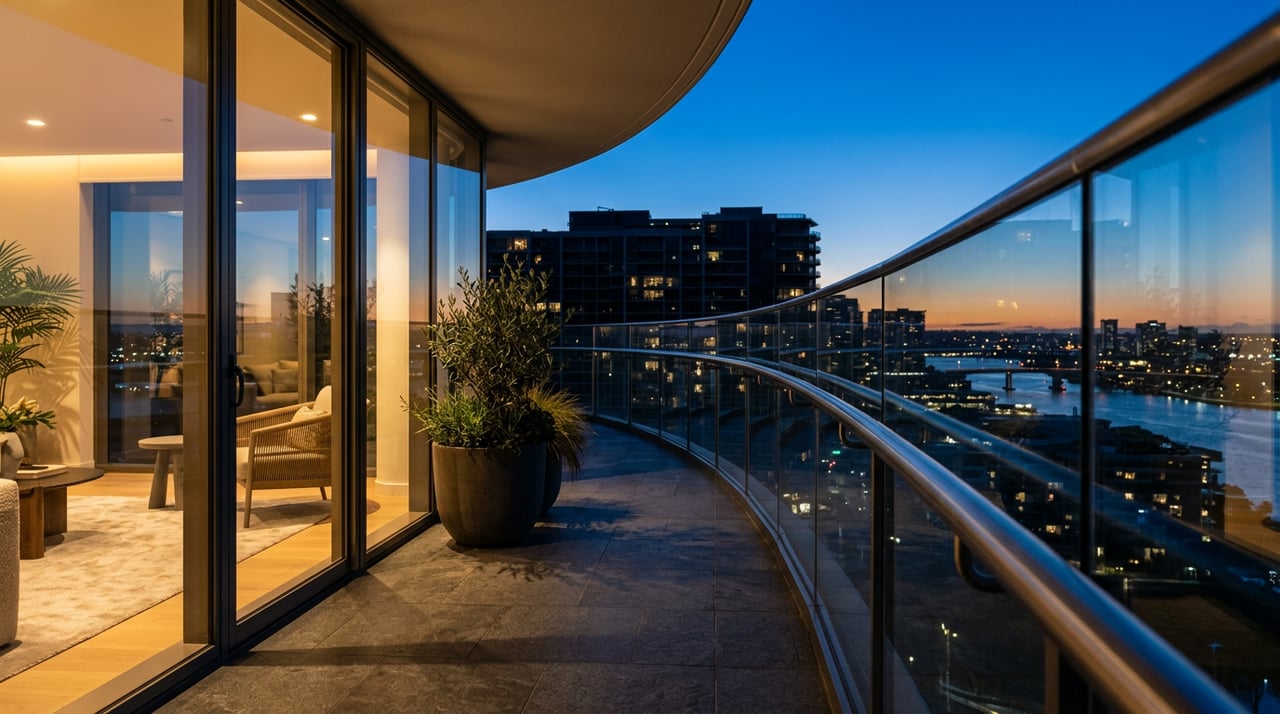
Jumeirah Bay Island is a Meraas master development spanning about six million square feet, connected to Jumeira Beach Road by a 300-meter bridge. It is positioned as a low-rise, seafront address with villas, land plots, landscaped boulevards, private beaches, and branded residential products tied to the Bulgari resort ecosystem.
That context matters if you are planning a custom villa. This is a curated island setting, not a broad villa district with endless supply. Meraas also identifies the island as a freehold zone, which means foreign nationals can own property there with 100% ownership.
The scarcity is clear in the built stock. Several branded homes and mansion products within the wider development have already been shown as sold out, reinforcing how finite the landed inventory is on the island.
Why the plot is the real asset
On Jumeirah Bay, the plot is often the product. Recent benchmark transactions underline that point, including a reported AED 125 million plot sale and a reported AED 330 million sale of a custom-built villa in March 2025.
Those numbers do not just reflect the address. They suggest that rarity, plot position, design credibility, and final execution all shape value at the top end of the market.
If you are evaluating land here, think beyond square footage alone. You need to understand how the site sits within the island, what it looks toward, how neighboring homes affect privacy and openness, and what the buildable envelope will actually allow you to create.
Start with the site plan
Before you commit to a plot, one of the most important early steps is obtaining a detailed site plan through Dubai Municipality. The municipality can issue a plan showing borders, land tenure, zoning, land use, floors, setbacks, parking, and the plot’s location and dimensions.
On Jumeirah Bay, this is especially important because small differences in orientation and envelope can have major design consequences. A plot that appears ideal in marketing material may perform very differently once you study setbacks, access, neighboring massing, and view corridors in detail.
This is where disciplined advisory work matters. You want the plot review to happen with technical and planning input at the same time, not after an architectural concept has already been developed.
Treat ground conditions as a first-order issue
Because Jumeirah Bay is a man-made island, geotechnical and foundation due diligence should happen early. Dubai Municipality circulars specifically cover construction-site exploration, pile-load tests, soil-bearing capacity testing, foundation considerations, excavation levels, and façade treatment requirements.
In practical terms, that means you should not separate land acquisition from technical review. Foundation strategy, engineering assumptions, and site conditions can directly affect design ambition, budget, and delivery timeline.
For a custom villa at this level, the goal is not simply to create something visually impressive. It is to ensure the concept is buildable, compliant, and structurally rational from the outset.
Confirm the design envelope before design work advances
Villa planning rules in Dubai need to be checked carefully on a plot-by-plot basis. Dubai Municipality’s FAQ states that a private-villa parcel is generally intended for one residential unit and that total building height is capped at 16 meters.
At the same time, Dubai Municipality has also introduced more flexible options in certain contexts, including allowances such as a side family annex, a separate villa for a son, a full second-floor extension, and 1.5-meter setbacks under its March 2025 Home First initiative for Emirati families. The key takeaway is that the applicable envelope is ownership-specific and plot-specific.
If you are planning on Jumeirah Bay, your consultant team should confirm exactly which rules apply before concept design is finalized. That step helps avoid redesign, approval delays, and costly assumptions later in the process.
Pool and outdoor planning matter too
For many buyers, the pool terrace and outdoor living areas are central to the villa concept. Dubai Municipality’s pool guidelines state that private residential pools require at least one meter around the pool, and the pool drawings are reviewed through the building permit system.
That may sound straightforward, but on a constrained island plot it can influence layout, landscape planning, circulation, and how much usable external space remains. Outdoor design should be integrated early, not treated as an afterthought.
Sustainability and code compliance are built in
Dubai Municipality’s building code resources include villa-specific thermal insulation and solar-calculation materials. The municipality’s green-building circular also states that Silver Sa’fat is compulsory for villas.
For you, that means energy performance and compliance are not optional add-ons. They should be addressed from the beginning of the design process, alongside orientation, glazing strategy, material selection, and façade composition.
Match the island’s design language
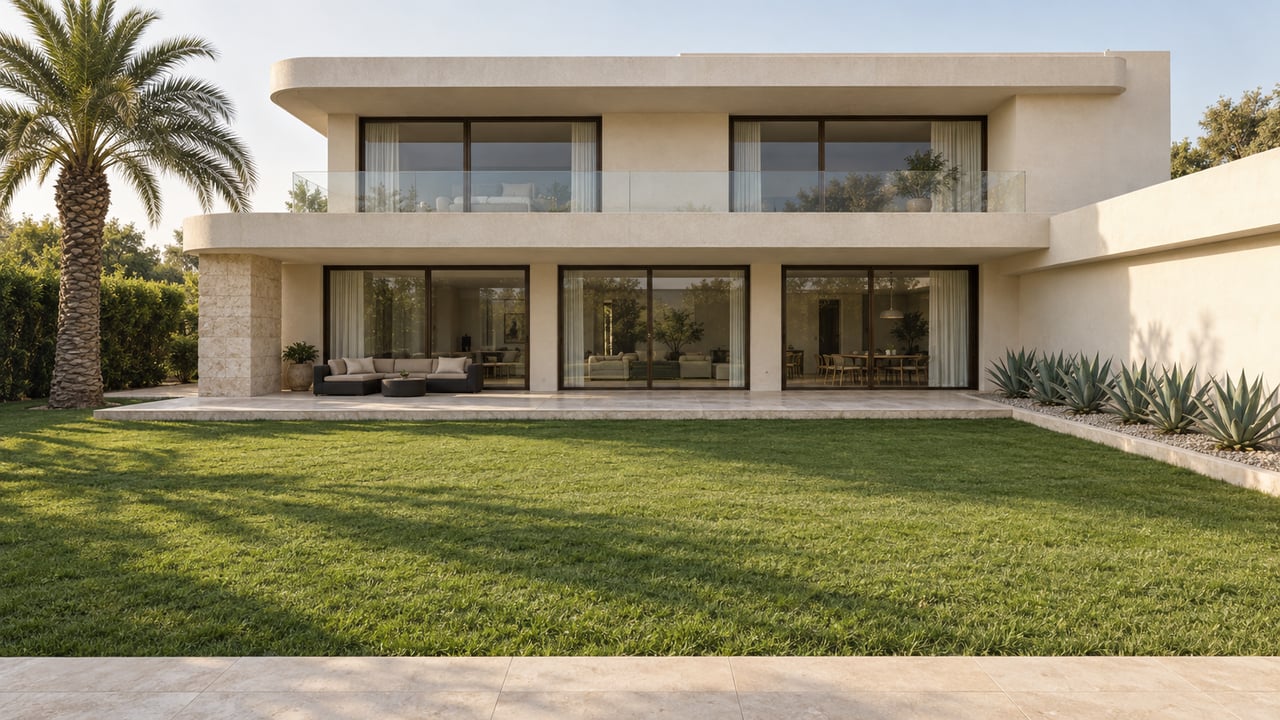
While every custom villa should reflect your own priorities, Jumeirah Bay has a very clear planning character. The island is low-rise, waterfront-led, and heavily influenced by a branded resort environment.
That makes restraint valuable. In this setting, a villa that feels polished, coherent, and resort-aware is likely to sit more comfortably within the island than a design that tries too hard to dominate its surroundings.
This is not a formal planning rule. It is a practical reading of the island’s existing built environment and branded identity.
Understand how approvals work in Dubai
A custom villa approval in Dubai is not a single approval from a single body. The process runs through Dubai BPS, the unified electronic platform that connects licensing authorities and supporting entities involved in permits, including Civil Defense, RTA, DEWA, and telecom providers.
That means your project moves through a coordinated sequence of reviews. Design quality, planning compliance, technical documentation, and utility coordination all need to line up.
If you are building on Jumeirah Bay, this is one reason team selection matters so much. You need consultants who understand not only architecture, but also the approval path and the documentation standards needed to keep the process moving.
Choose consultants and contractors carefully
Dubai Municipality frames consultant and contractor selection as a compliance issue as much as a design one. The municipality maintains requirements for registered consultants and contractors and provides a Dubai Engineering Qualification System guide covering engineers, consultancy offices, contractors, and material suppliers.
Dubai Municipality also publishes guidance contract forms for private-villa consultancy and construction agreements. These are not mandatory contracts, but they help clarify roles and reduce the risk of disputes.
That structure is useful on a super-prime project. On Jumeirah Bay, design ambition is high, budgets are significant, and precision matters. Clear scope, strong paperwork, and disciplined delivery are not administrative details. They are part of preserving value.
Scope control protects quality
Dubai Municipality has publicly warned consultancy offices against inflating villa designs and emphasized adherence to the Dubai Building Code. That is an important signal for any private client planning a custom home.
Bigger is not always better. On this island, overshooting the brief or pushing unsupported design assumptions can create approval issues, cost pressure, and compromised execution.
A better approach is to define the brief carefully, validate the envelope early, and build with a level of quality and consistency that suits the address.
Innovation is possible, but formal review matters
If your project uses new systems or materials, Dubai Municipality states that new building systems are assessed for minimum safety, quality, and suitability to the local environment before approvals are issued.
That does not rule out innovation. It simply means that innovation needs to sit inside a formal compliance framework.
For a design-led villa, that is a positive discipline. It encourages ambition that can actually be delivered, approved, and maintained over time.
Plan for resale from the beginning
Even if you intend to hold the villa long term, it is wise to think about exit strategy while you are still at the planning stage. Jumeirah Bay’s freehold status supports international ownership, but resale logistics in Dubai are precise.
According to Dubai Land Department, property sale registration in freehold areas requires an e-NOC from the developer. The transaction also carries registration fees of 2% for the seller and 2% for the buyer, plus title deed and map fees.
If the property is mortgaged, Dubai Land Department states that the mortgagee’s consent is required before the property can be sold or otherwise transferred. For buyers using leverage or interim financing, that is an important consideration to structure correctly from the outset.
What drives future value on Jumeirah Bay
The broader ultra-prime backdrop remains supportive. Knight Frank reported that prime areas such as Jumeirah Bay Island remain among the most sought-after locations for international high-net-worth buyers, and that Dubai’s market for homes above US$10 million reached AED 9.5 billion in Q2 2025, with 500 sales above US$10 million during 2025.
Savills adds an important nuance. It reported that off-plan villa transactions rose 240% since 2022, while renovated villas have started to outprice some trophy areas.
For a custom-built Jumeirah Bay villa, the message is clear. The market is rewarding homes that feel current, technically clean, and architecturally credible, not simply large or expensive.
Build a villa with a clean resale file
If you want your villa to hold appeal with a highly selective future buyer pool, the resale story should be built into the project from day one. That means keeping a complete and organized file of approved drawings, permit records, consultant documentation, contractor warranties, and completion paperwork.
In an ultra-prime market, provenance matters. Buyers at this level tend to examine not only the architecture and finishes, but also the credibility of the process behind the home.
On Jumeirah Bay, where record pricing has already been achieved for both plots and completed villas, documentation and execution quality can support confidence just as much as the address itself.
A practical planning checklist
If you are considering a custom-built villa on Jumeirah Bay, focus on these priorities first:
- Confirm the site plan, zoning, setbacks, and buildable envelope through Dubai Municipality
- Review plot orientation, neighboring massing, privacy, and view impact before purchase
- Carry out geotechnical and foundation due diligence early
- Verify which villa rules apply to your ownership and plot before finalizing concept design
- Integrate pool, landscape, and outdoor living planning from the start
- Ensure your villa design addresses Silver Sa’fat and code requirements
- Appoint registered consultants and contractors with strong permit and delivery discipline
- Keep scope realistic and fully documented to support approvals and construction quality
- Plan the resale file early, including permits, warranties, and completion records
A custom villa on Jumeirah Bay can become a remarkable long-term asset, but only if the process is handled with rigor. In a market where land is scarce and standards are high, the strongest outcomes usually come from calm planning, precise advisory, and disciplined execution. If you are weighing a plot, reviewing a concept, or looking for discreet guidance on a Jumeirah Bay opportunity, Leigh Williamson offers thoughtful, high-touch advice shaped for ultra-prime buyers and family offices.
FAQs
What makes Jumeirah Bay different from other villa areas in Dubai?
- Jumeirah Bay is a tightly held freehold island master development by Meraas with limited landed supply, low-rise planning, private beaches, and a branded resort-led setting, which gives plots and completed villas a strong scarcity profile.
What should you check before buying a plot on Jumeirah Bay?
- You should review the Dubai Municipality site plan, zoning, setbacks, parking, dimensions, and land use details, then assess orientation, privacy, neighboring homes, and how the buildable envelope affects your design options.
Why is geotechnical review important for a Jumeirah Bay villa?
- Because Jumeirah Bay is a man-made island, soil conditions, foundation strategy, pile-load testing, and excavation requirements can materially affect design, cost, and buildability.
How high can a private villa be in Dubai?
- Dubai Municipality’s FAQ states that a private-villa parcel is generally intended for one residential unit and that total building height is capped at 16 meters, but the exact envelope should be confirmed for the specific plot and ownership profile.
Do private villas in Dubai need to meet sustainability standards?
- Yes. Dubai Municipality states that Silver Sa’fat is compulsory for villas, and villa-specific code materials also address thermal insulation and solar calculations.
How are villa permits processed in Dubai?
- Villa permits are processed through Dubai BPS, the unified platform that coordinates reviews involving the relevant licensing authorities and supporting entities, so approvals are typically a sequence of connected reviews rather than a single sign-off.
What resale costs should you plan for on a Jumeirah Bay property?
- Dubai Land Department states that sale registration in freehold areas requires an e-NOC from the developer and includes 2% registration fees for the seller and 2% for the buyer, plus title deed and map fees.
What helps a custom Jumeirah Bay villa hold value over time?
- A rare plot, disciplined design, code-compliant delivery, strong documentation, and a complete resale file with approved drawings, permit history, warranties, and completion paperwork can all strengthen long-term marketability.